
Osteopathy Southampton
Osteopathy is an established, recognised medical discipline, which uses it’s unique skills in diagnosis and treatment, for problems related to altered mechanics, function and posture.
Osteopathy uses it’s detailed knowledge and understanding of the structure and function of the human body to identify faults which may have occurred by injury or mechanical stress.
This allows the osteopath to not only treat the symptoms but the underlying cause of the complaint.
Osteopathy uses a combination of osteopathic soft tissue massage, joint mobilising and manipulation to treat a number of conditions. Stretching, strengthening or mobility exercises may also be prescribed as well as advice on posture, diet, ergonomics and lifestyle.
All Osteopaths, practice dry needling, trigger point and electro-acupuncture to complement their treatments. These are all included in your Osteopathic appointment time and fee and will be used if the Osteopath feels that it is a suitable treatment for your condition.

The Totalcare Clinic and the following practitioners Ian Stuart, Michelle McWilliam, Amelia Butterwick, William Betteridge and Jasmine Tremain are all registered with The General Osteopathic Society
Osteopathy – A Recognised Therapy
Osteopathy is now an accepted part of physical medicine.
In 1993 the term osteopath became legally protected, like doctor and dentist. This means that only practitioners who meet strict guidelines and standards, set by the General Osteopathic Council (GOsC) are allowed registration and can call themselves osteopaths.
Osteopaths have completed a four-year full-time course at a recognised college of osteopathy in order to meet these standards.
The First Osteopathy Consultation
The first consultation will take about 45 – 60 minutes. The osteopath will want to know details about your presenting complaint and a thorough case history will be taken. This will include questions on your general health, previous illnesses, your lifestyle and family medical history.
The osteopath will then want to conduct a physical examination and for this, you may be asked to undress to your underwear.
You will normally be taken through a range of movements and the osteopath will perform a detailed examination of the function of the relevant area of your body.
More specific clinical tests may also be undertaken. After the examination, the osteopath will explain the findings to you and if appropriate a suitable course of treatment will be prescribed.
Sometimes additional investigations may be required. These can include blood or urine tests and perhaps x-rays or scans. It is usual that you will be referred back to your doctor at this stage.
FAQs
If you are unsure if we may be able to help with your symptoms or you do not know which discipline may be most suitable for you, please do contact us either by phone or email where we can provide you with further information and advice.
If you prefer to read all our Osteopathy frequently asked questions in full you may find our What is Osteopathy article beneficial.
What sort of treatment is right for my condition?
This question is the most common one we hear when people are booking appointments.
There may be an obvious answer depending on your condition, for example you wouldn’t come to see an Osteopath if you were trying to induce a baby at full term, at the same time you probably wouldn’t choose Osteopathy as the first choice of treatment for anxiety or menopausal symptoms.
However, if there are conditions which are likely to be due to musculoskeletal causes such as back pain, headaches, or nerve pain, we would always suggest seeing the Osteopath first.
They can take a full medical history and then examine your musculoskeletal system using accepted medical tests which the Osteopath, GP and Consultant would understand.
If at this point, the Osteopath feels that their treatment will not be beneficial for you, they will be able to talk through the best pathways and options available, either at the clinic or via referral elsewhere.
What do they do in an Osteopathic consultation?
During the consultation, the Osteopath will take a detailed summary of your current symptoms and note the reasons why you are attending the clinic.
They will ask you about how it started, how it has progressed, if anything makes it better or worse and if you have had any other previous treatment. They will also ask a lot of questions about your past medical history.
Whilst you may not feel that this is relevant, you would be surprised by the impact a previous surgery, road traffic accident or even dental work can have on your body and therefore, it is good to tell us everything so we can determine if we need to refer you to someone other than ourselves.
The Osteopath will then do an examination and ‘test’ the area to see if they can replicate the pain. These tests are medically approved tests which all manual therapists and consultants use to examine patients. Your practitioner will guide you through each test so that you know what to expect.
Once the practitioner has an idea of what is causing the problem, they will discuss what they believe is happening and then offer you a treatment plan. If you are happy to go ahead, they will proceed with some treatment.
If you are not happy with the plan, you are welcome to leave the clinic, however you will still be charged for the practitioner’s time, at a slightly reduced rate, to reflect the reduction in treatment time.
What does Osteopathic treatment look like?
Many Osteopaths undertake their treatment in different ways and can use tools within this treatment, for example heat lamps and acupuncture.
However, most practitioners will all do similar things in a treatment. They will ask how you felt after your consultation, answer any questions or concerns which may have arisen, re-check their tests from the consultation and will then continue with the previously outlined treatment.
This will include soft tissue massage (a bit like a sports massage) and the mobilisation of the affected joints. The joints are moved and taken through a range of motions to hopefully improve the degree of movement. In some cases, Osteopathic manipulation is used, this is what is commonly referred to as ‘the click’.
Osteopathic manipulation is a very gentle form of ‘clicking’, which we also call HVT or LVT (high velocity thrusts and low velocity thrusts).
Most Osteopaths use LVT as their form of manipulation. The joint is taken to the end of its range of comfortable movement and is encouraged with a small sudden movement to move slightly further. This can be accompanied by a ‘click’ which is what makes people think it has been successful.
This noise does not symbolise that the manipulation has worked, it’s just an occasional biproduct of the technique. The goal is to encourage movement, not make the click noise.
Will I need to take my clothes off?
You will need to remove your outer clothing down to your underwear. This is so that all necessary parts of the body can be seen such as the level of the shoulder blades, the spinal curve, waistline curves, hip height and knee crease level.
Whilst this sounds daunting, the practitioners are purely looking at the symmetry of the body, they are not looking for body perfection, cellulite, stretch marks or at the lumps and bumps which we are all self-conscious about.
If you have any concerns about removing your clothing to a person of the opposite gender, please make sure to make an appointment with a practitioner you feel comfortable with.
If there are religious restrictions, then please make sure to mention these when you make the appointment so that the practitioner is aware before the session starts. There is no requirement to wear new underwear, matching or designer, just your normal daily underwear that you feel comfortable in.
Do I need to tell my doctor I am visiting the clinic?
You do not need to tell any medical practitioner you are visiting the clinic. If during your treatment, your practitioner feels it would be beneficial to contact your GP or update a medical practitioner about your condition, they will first speak to you and obtain your consent.
If you do not give your permission, this will be written in the notes and the practitioner will not be able to share any information.
The only time a practitioner can act against the patient’s wishes is if they feel the patient is a risk to themselves. At this time, the practitioner will contact the GP to inform them and make sure that the patient receives the best possible care for them.
If at any time you wish to change the permission that has been given, you simply speak to your practitioner, and they will reflect this in your medical notes.
Can I see what a practitioner has written about me?
The medical notes that we hold for you at the clinic are your property and therefore anything that we write, or store, can always be shared with you.
The original medical notes cannot be given to you directly until 8 years after your last visit, however a copy of them can be provided.
Are treatments covered by private health insurance?
The type of treatment covered by insurance companies varies, depending on which provider and policy you have.
Most will pay for a specific number or cost of treatment, as long as the practitioner is covered by a recognised regulatory body. Osteopathy is a recognised medical therapy governed by the General Osteopathic Council (GOsC).
All our Osteopaths are registered with GOsC and have a membership number which is printed on all receipts, for you to claim back your treatment costs.
For you to receive treatment through your health insurance, you will need to contact them before your visit with us to follow their requirements. This may be that they are willing to refer you directly to us or they may want you to speak with your GP and obtain their referral. Once you have the authorisation, please contact the clinic and we will talk you through the process of how to claim for your treatment.
Can I be referred on the NHS?
Unfortunately, you cannot be referred for any treatments at the Totalcare Clinic through the NHS.
We are happy to liaise with any practitioner within the NHS so that you receive the best possible treatment and care, however we cannot claim for your treatment from them.
Can you send me for an x-ray or MRI?
The Osteopaths can refer you for an MRI, however they cannot refer for any x-rays. If we feel an x-ray is the best possible course of action, we will write to your GP outlining in the request why we feel this is the best option. It will then be the GP’s decision whether they send you for an x-ray.
If you are attending the clinic with an acute injury, within a few days of a trauma, we may write a letter for you to take directly to A&E.
With regards to MRI’s, we can refer you for one privately. This will be done at a private hospital or specific centre depending on your preference.
Costs for these scans differ between the hospitals and we aim to provide the most up to date costs that we can. You will be given all options and you can choose the best one for yourself.
We will write the referral letter and the hospital will liaise with you directly to make the appointment and take payment. We do not take any percentage cut for these scans; the finance is dealt directly with the hospital.
Once you have been scanned, the report will be sent directly to us and an email with details on how to open the scan will, in most cases, be sent to you to forward to us. When the images have arrived, we will review them and then arrange an appointment to go through them.
These results are for you, and you can choose who you share them with, you do not have to share them with any other medical practitioner if you choose not to.
What is the difference between Principal, Senior Associate and Junior Associate?
All Osteopaths are fully qualified with a Masters or a degree, once they graduate from their chosen college.
However, there is always the benefit of experience when working with patients and therefore here at the Totalcare Clinic we have separated our Osteopaths based upon their knowledge and skills.
Our Junior Associates have been qualified for anywhere between 1 and 5 years; the Senior Associates have been qualified for over 6 years and our Principal Osteopaths have been qualified for over 15 years.
In 2024, both will have been qualified for 20 years.
Can anyone call themselves an Osteopath?
No, they can’t! Thankfully in 1993 the Osteopathic Act came into force, which makes it illegal for anyone who is not registered with the General Osteopathic Council to call themselves an Osteopath.
To register with the Council, you must prove your qualification from one of the accredited Osteopathic Universities, agree to undertake 30 hours of professional development each year and prove that you hold the correct annual insurance to practice.
The GOsC actively investigates any case brought to their attention where the use of the word Osteopath or Osteopathic treatment is being used illegally and will bring charges through a court of law against these practitioners.
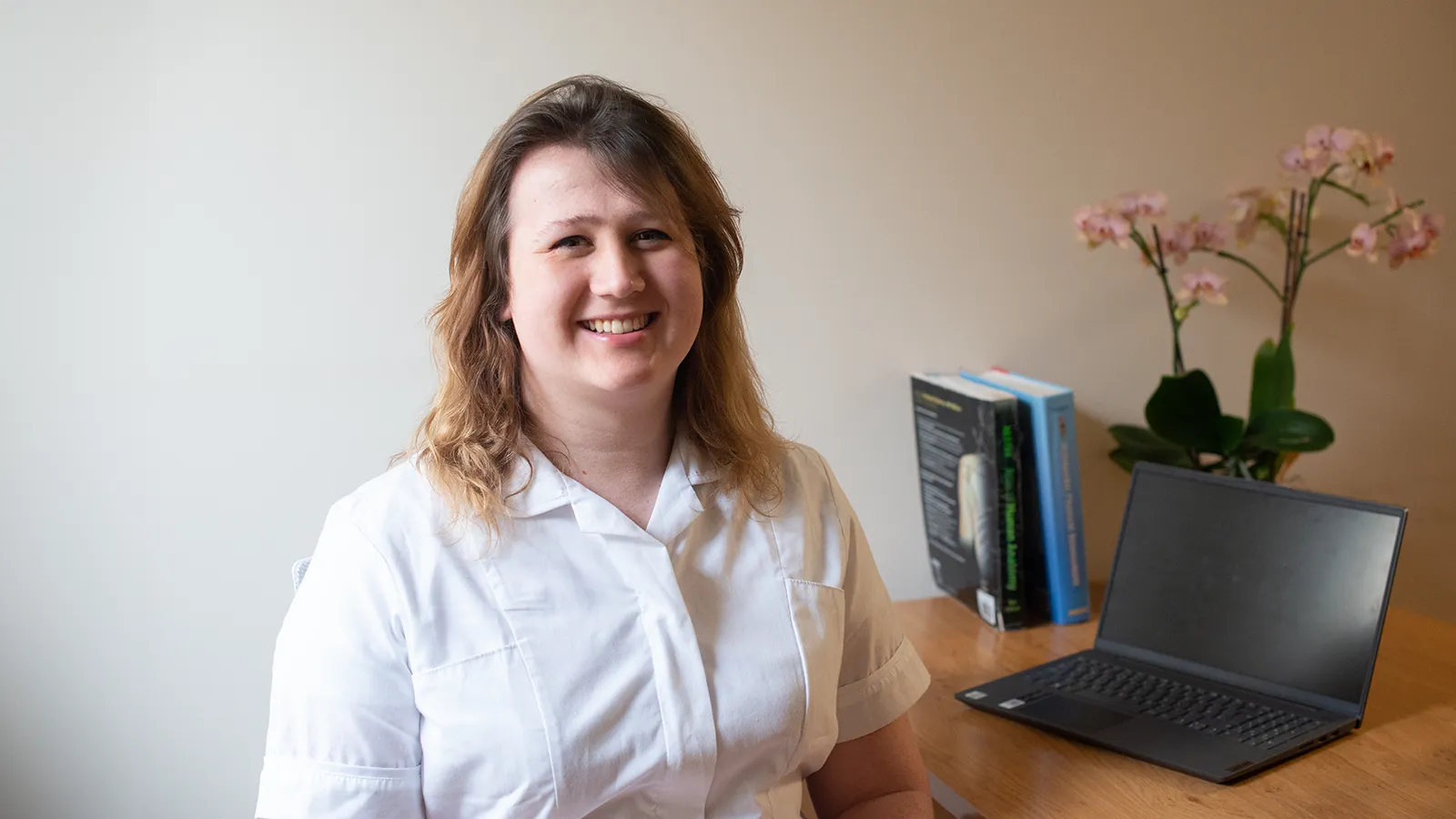
Your Osteopathy Practitioners


Osteopathy Fees
Junior Associate Osteopath Fees
£55 Initial Consultation – (45-60 minutes)
£43 Follow-up Treatments – (30 minutes)
Associate Osteopath Fees
£58 Initial Consultation – (45-60 minutes)
£45 Follow-up Treatments – (30 minutes)
Senior Associate Osteopath Fees
£63 Initial Consultation – (45-60 minutes)
£47 Follow-up Treatments – (30 minutes)
Principal Osteopath Fees
£75 Initial Consultation – (45-60 minutes)
£52 Follow-up Treatments – (30 minutes)
Consultations and treatments by appointment only
Payment
Payments are made at the end of each treatment session or consultation. We accept cash, cheque, debit or credit card.
Our Secure iZettle Reader takes chip, swipe and contactless payments from all major credit cards, as well as payments through Samsung Pay, Apple Pay and Android Pay.

Insurance
We are recognised by all major insurance companies and we may bill them directly, including Bupa and Cigna, if you provide us with the following details prior to your first consultation:
- Your name, address and date of birth
- Insurance policy or membership number
- Pre-authorisation number for treatment
- Number of treatments authorised